


Cairo is one of the greatest cities in the Muslim world. With a population of around 20 million, it is a city that never sleeps. For many students of Islamic Studies, Cairo is an important destination. With its great mosques, scholars, and universities, it gives students an excellent opportunity for learning and personal growth.
I arrived in Cairo in 2006 at the age of 19. Fifteen of us travelled together from London. We were very lucky to be received by senior students from Jamia Al-Karam who were based there. They really helped us to settle and showed us around. We took up residence in the famous Abbassia neighbourhood. It is a lovely area and very busy, bustling with students. The Al-Azhar hostels (Madinatul Ba’oos Al-Islamiyyah) are also situated in this area. The hostel host around over 5,000 students from 120 different nationalities. A huge city within itself, it is gated and has many shops and other amenities.
We settled down well in our flat in Abbassia. There was no air conditioning or a washing machine to wash our clothes, but we stuck it out. We were situated on the 8th floor. Each building had a Bawwab (porter) who would stay with his family at the very bottom of the building. He would tend to the needs of those living in the building. The area was good, although it wasn’t the cleanest of places, it was a 5-minute drive from Al-Azhar University.
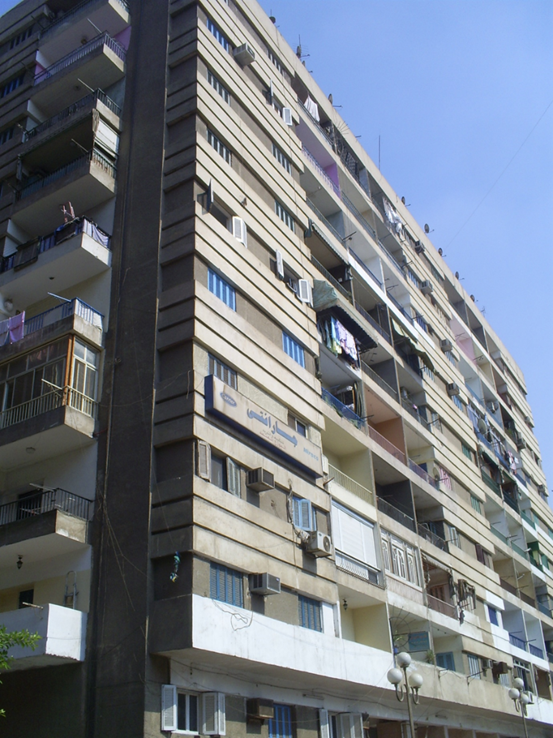
We had two flats. 6 of us stayed on the 8th floor, and 5 of the students lived on the second floor. We would often eat together and study together. I still remember some students from Bangladesh on the 5th floor. Another benefit of our flat was that it was close by to the Al-Azhar hostel. We began our studies in the 2nd year of the Al-Azhar undergraduate program. This was due to the affiliation Jamia-Al-Karam had with Al-Azhar. We found it challenging at the start, so we managed to find a teacher at the student hostel who taught us several of the books. Hafiz Naemuddin Misbahi had studied the traditional Darse Nizami course in Jamia Ashrafiya in (Mubarakpur, India). He had completed the 12-year course and was really well-grounded. I would often think why such students from India and Pakistan come to Al-Azhar as they had spent many years studying? We would meet him every other day, and he would teach some of the books we found difficult. During the holidays, I covered the Hanafi traditional manual, al-Hidaya with him. The hostel was an interesting place. With thousands of students, there were plenty of issues. I remember some Russian and African brothers squaring up to each other. Then there was the intra-faith politics; Barelwis, Deobandis, etc. Hafiz Naeem would also inform us of the latest news at the hostel. He was such a lovely guy. At the end of the year, we gave him money and took him out to KFC for a treat.
Studies in Al-Azhar were intense; 2 semesters and 14 subjects. In the third year we could choose our field of specialisation, I chose Hadith studies. We also had to memorise 2 Juz of the Quran per year and each year there would be a Hifz examination. We had two sets of exams each year, and a student was allowed to fail 2 exams so long as he passed the Hifz exam he could move into the next year. Our teachers would call this the Shifa’atul Quran (intercession of the Quran). The subjects were wide-ranging; we studied Quran studies, Hadith studies, Logic, History, Usul and other topics.

Exam period was difficult. I would summarise the books in English and spend time with friends going over the work and we would test each other. We would stay awake most nights of exams. Before exams I we would go the Mosque of Imam Hussain situated opposite our university and spend time in duas and revision.
Opposite Al-Azhar University stands the great Mosque of Imam Hussain, where the blessed head of Imam Hussain is buried. The mosque draws thousands of people from around the world. Originally built in 1154, it underwent a significant renovation project in 1874. While it accommodates around 6,000 people, on Fridays, hundreds pray outside the mosque. It became our habit to offer Juma prayers there. The annual Mawlid is also celebrated at the mosque, with various Tariqahs from Cairo gathering there. I vividly recall one event I attended where the former head of Al-Azhar, Dr. Umar Hashim, delivered an electrifying speech on the Seerah of the Holy Prophet ﷺ. Dr. Hashim is one of the senior scholars of Al-Azhar and is married to the daughter of Shaykh Dr. Abdul Halim Mahmud. This mosque is the heart of Cairo, attracting the Awliya, Ulemah, and Fuqarah of the city.
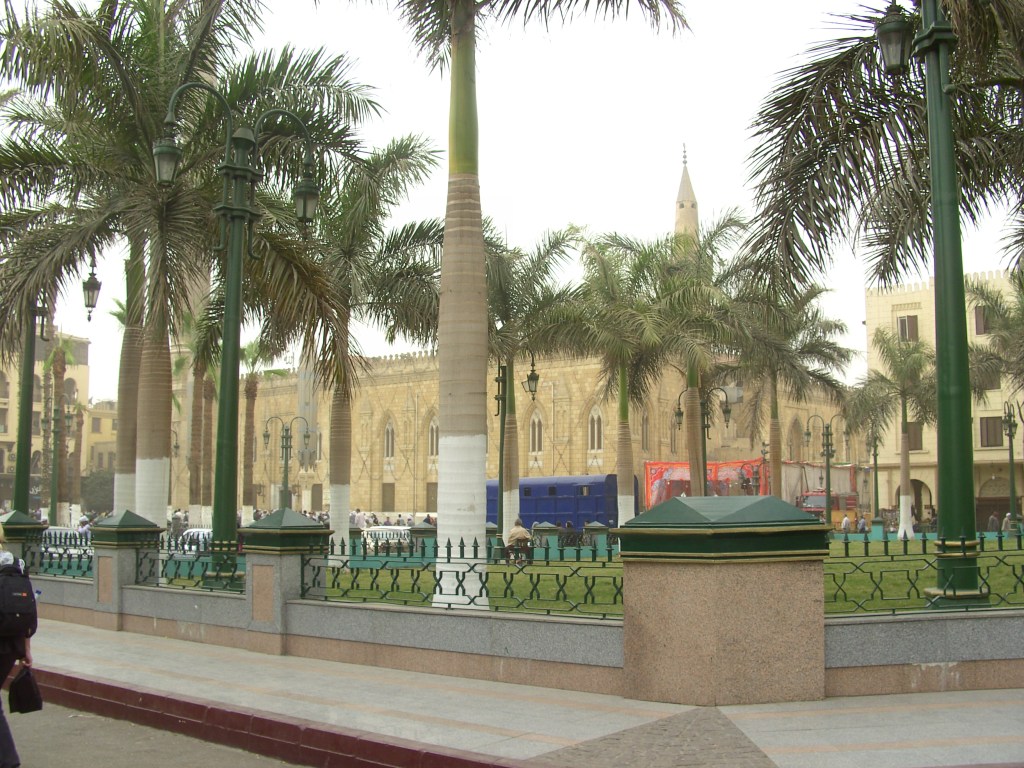
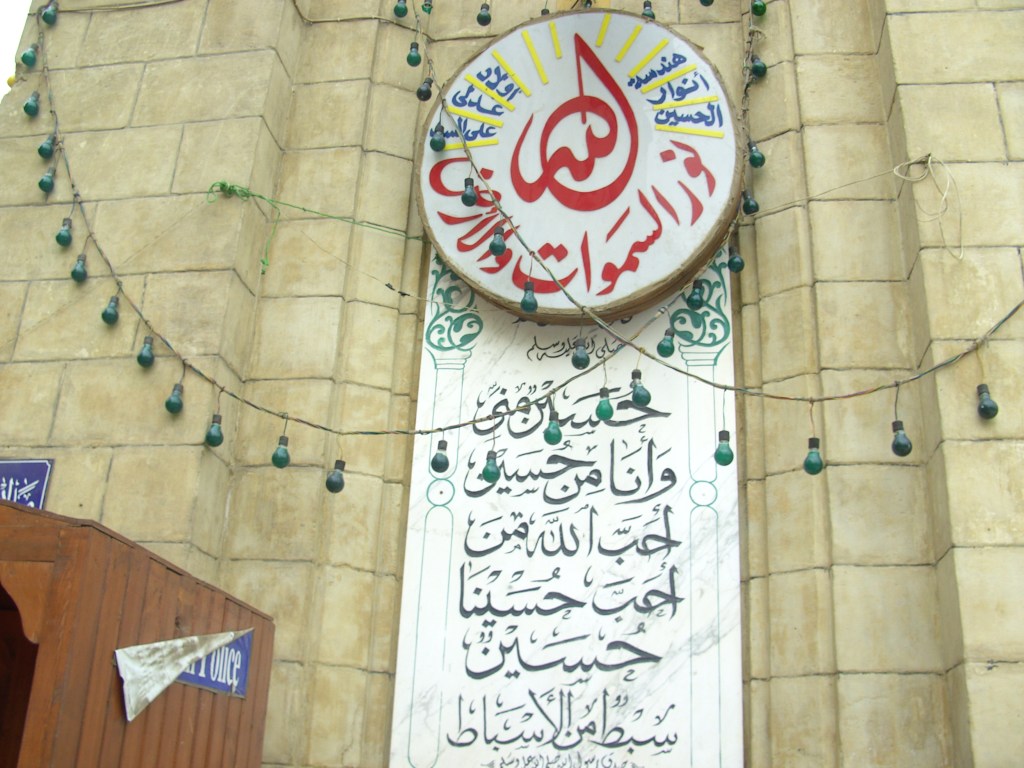


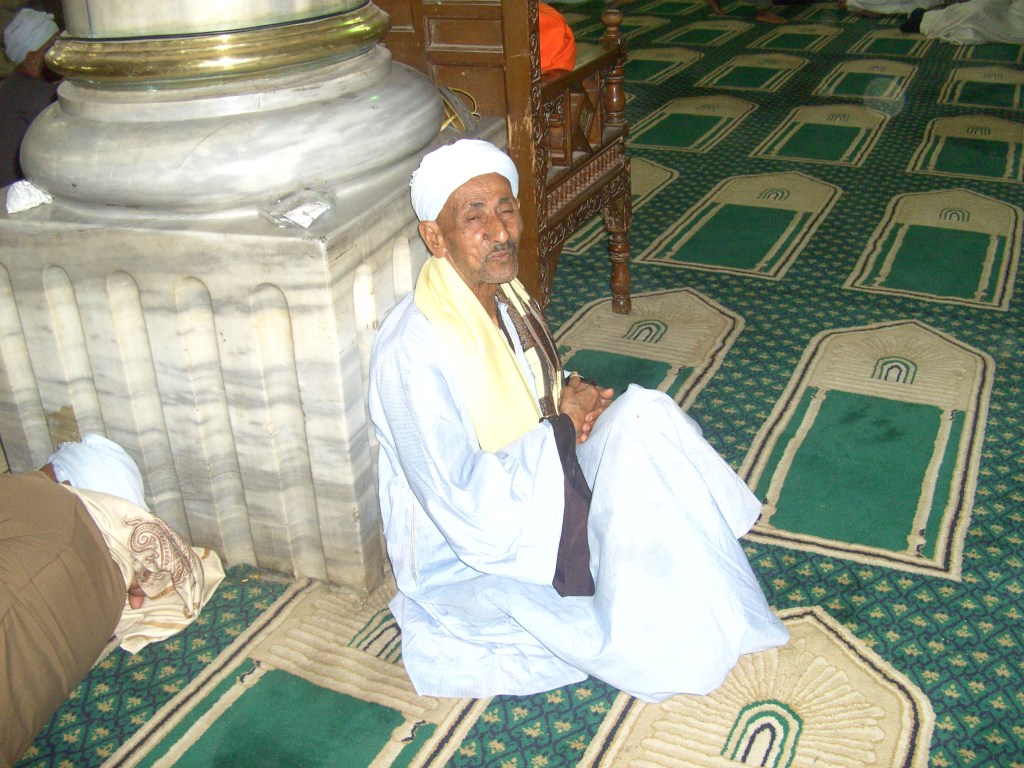

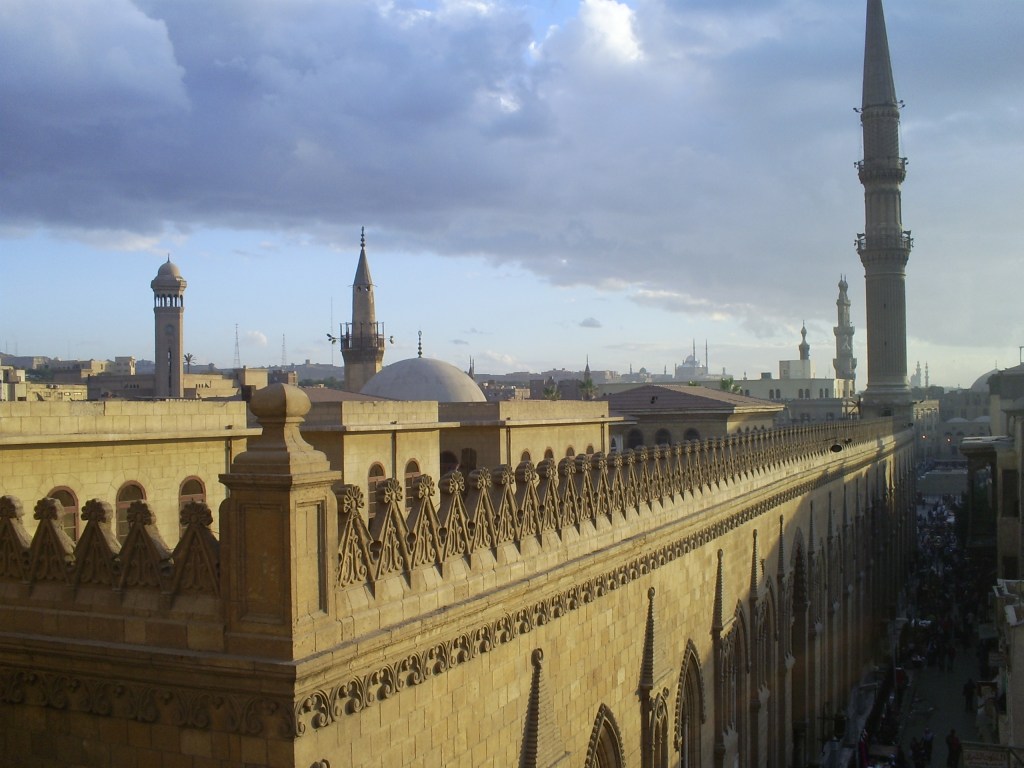
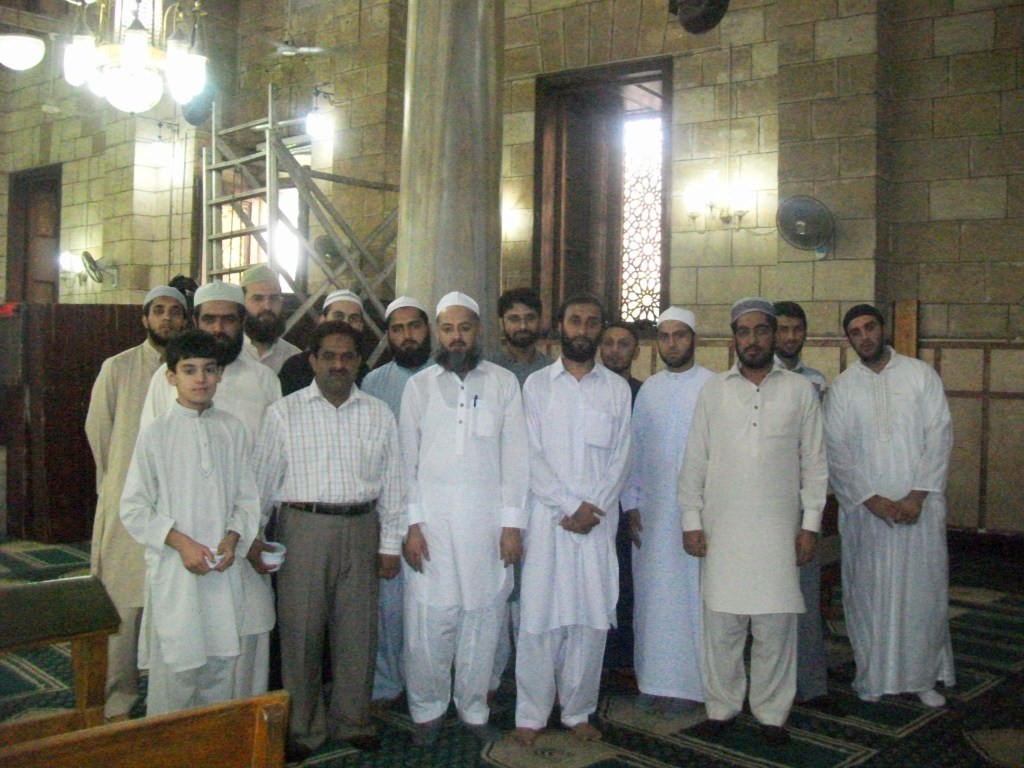
The area of al-Darassa is home to Al-Azhar University, the Imam Hussain Mosque, and the historic Al-Azhar Mosque. Originally constructed in 972, the mosque has been a significant centre for traditional learning. In the 1950s, the university relocated from the mosque to modern facilities, but the Al-Azhar Mosque continues to be utilized for traditional educational purposes. Numerous Shaykhs of Azhar conduct teachings within the mosque according to a set timetable. Scholars frequently select a traditional text and teach it from beginning to end.

Behind the Al-Azhar Mosque, numerous bookshops and street vendors line the streets. This area is a magnet for book enthusiasts, especially those seeking out rare editions. Personally, I visited Maktabah Azhariya li-Turath as it was one of my favourite shops. The bookseller would diligently search for rare copies and would even reach out to me when such books became available. Over time, I invested hundreds of pounds in buying books from here.


During my time in Cairo, I made a point to explore different areas each year, aiming to fully immerse myself in the city’s diverse neighborhoods. After spending my first year in Abbassia, I decided to move to Nasr City (specifically, the Kulliyatul Banat Neighborhood). Our apartment there was pleasant, accommodating four of us. We adopted a rotating cooking schedule to prepare meals at home, moving away from the fast food due to its cost and health risks. Following this, I moved to al-Darassa, near Al-Azhar University, which presented a stark contrast—a neighbourhood of modest means. Our living conditions lacked luxuries like hot water, and we even shared space with a goat that lived above the roof. Nevertheless, it provided a unique and memorable experience. Lastly, I moved to a posh apartment near City Stars, one of Cairo’s premier shopping destinations at the time. The neighbourhood was nice and clean. I thought I’d leave Egypt with this final experience.

The Cairo book festival is the largest of its kind in the Arab World, and the second biggest after the Frankfurt Book Festival. Over two million people visit it. It usually takes place every year in February, and it has thousands of publishers across the world taking part. This festival is a huge attraction for students and scholars, as you can buy books at a very good price. This obviously means that you must shop around and work through the different book vendors and publishers. I bought a lot of books from the Book Festival, also known as the Ma’rad. It would run for ten days, and we would visit almost every day. I remember struggling to find a copy of Ibn Hajr’s Fathul Bari. Most copies were published with the Tahqiq of Abdullah Bin Baz (the famous Salafi scholar). So, it was very difficult to procure a copy without the Salafi touch, however I did find a 8 volume copy at the Ma’rad. I also remember picking a book by Annemarie Schimmel from the American University of Cairo bookstall. The book was My Soul is a Woman: The Feminine in Islam. The book cost a modest £2.00 and when I returned to U.K I was shocked to find out it cost £20. This book opened my world to the Schimmel. A stellar scholar, she knew more than 10 languages including Arabic, Persian, Urdu, Sindhi and published has published works in these languages. Her work on Seerah And Muhammad is His Messenger is one of the best works written in the Seerah genre. I was amazed to come across the Urdu translation of it when I was shopping for books in Jhelum. I immediately purchased it.
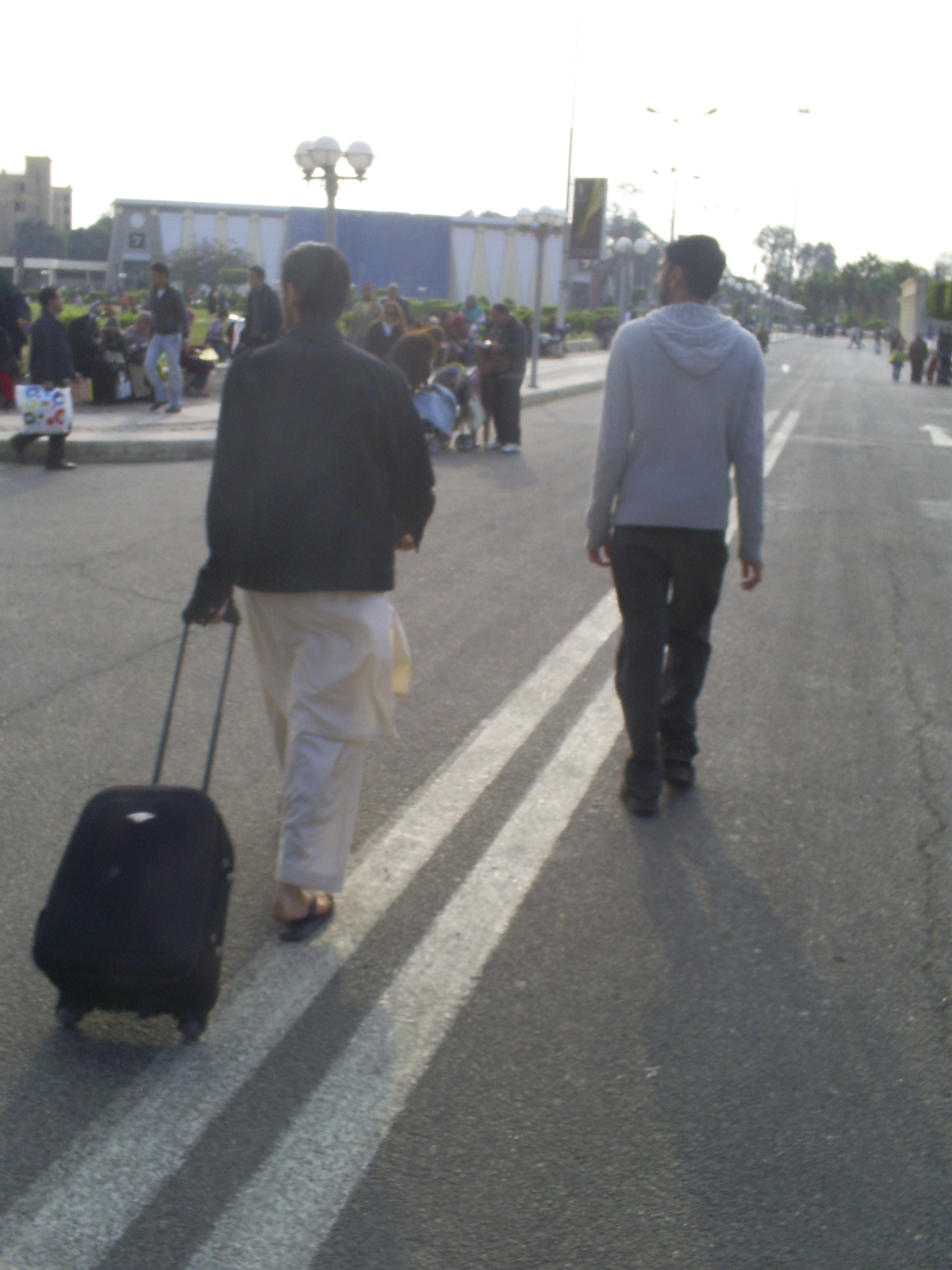
The book festival was lively, and I met a lot of different people. I remember how excited I was when I found the 6 Hadith books published by al-Maknaz al-Islami. A truly beautiful set and I also bought that a discounted price. I believe Shaykh Abdal Hakim Murad was also part of the project. Buying books had its challenges. The biggest challenge was carrying the books. You couldn’t really leave them anywhere. So, my revolutionary idea was to bring a suitcase. People thought I was mad!
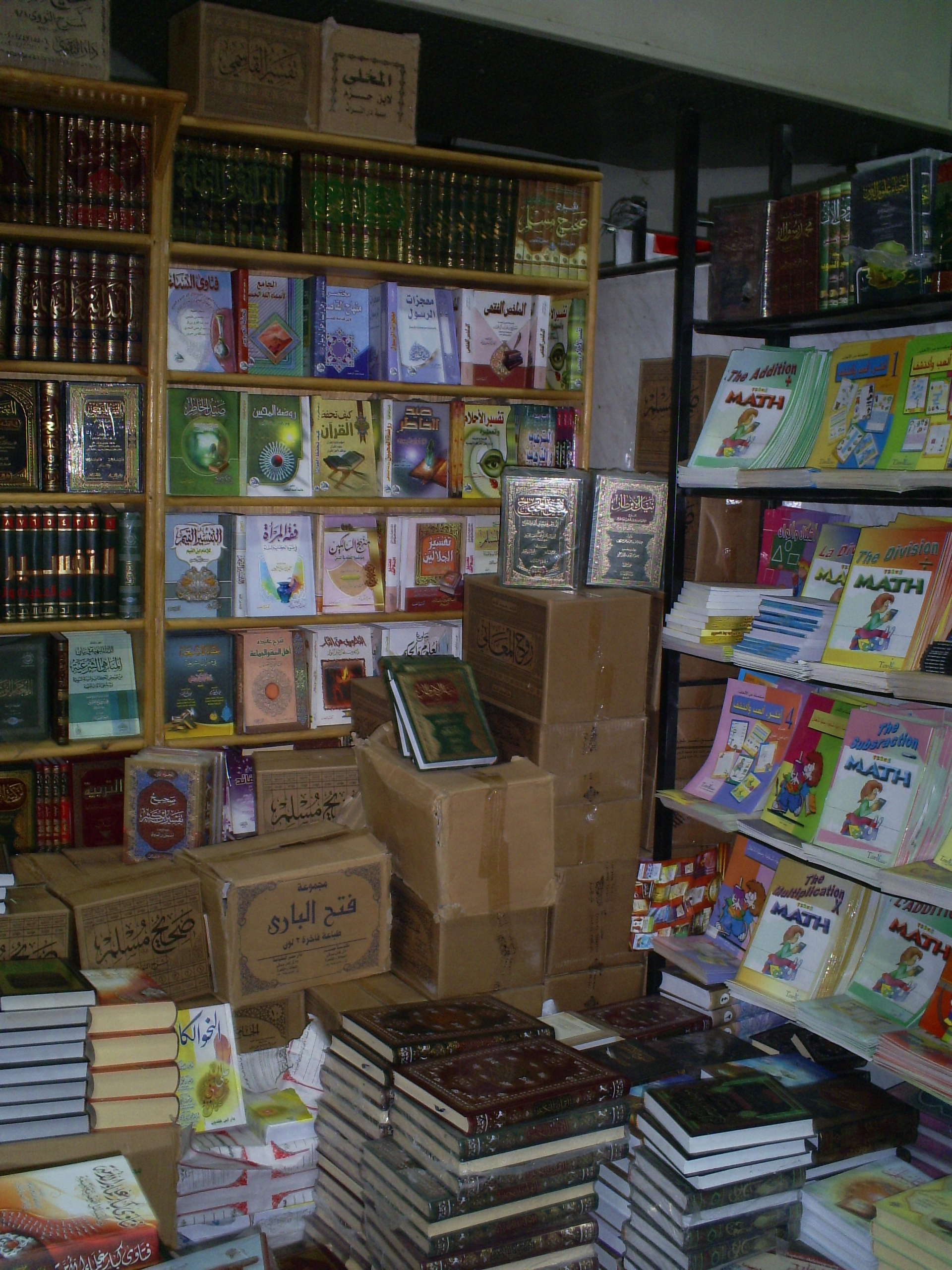

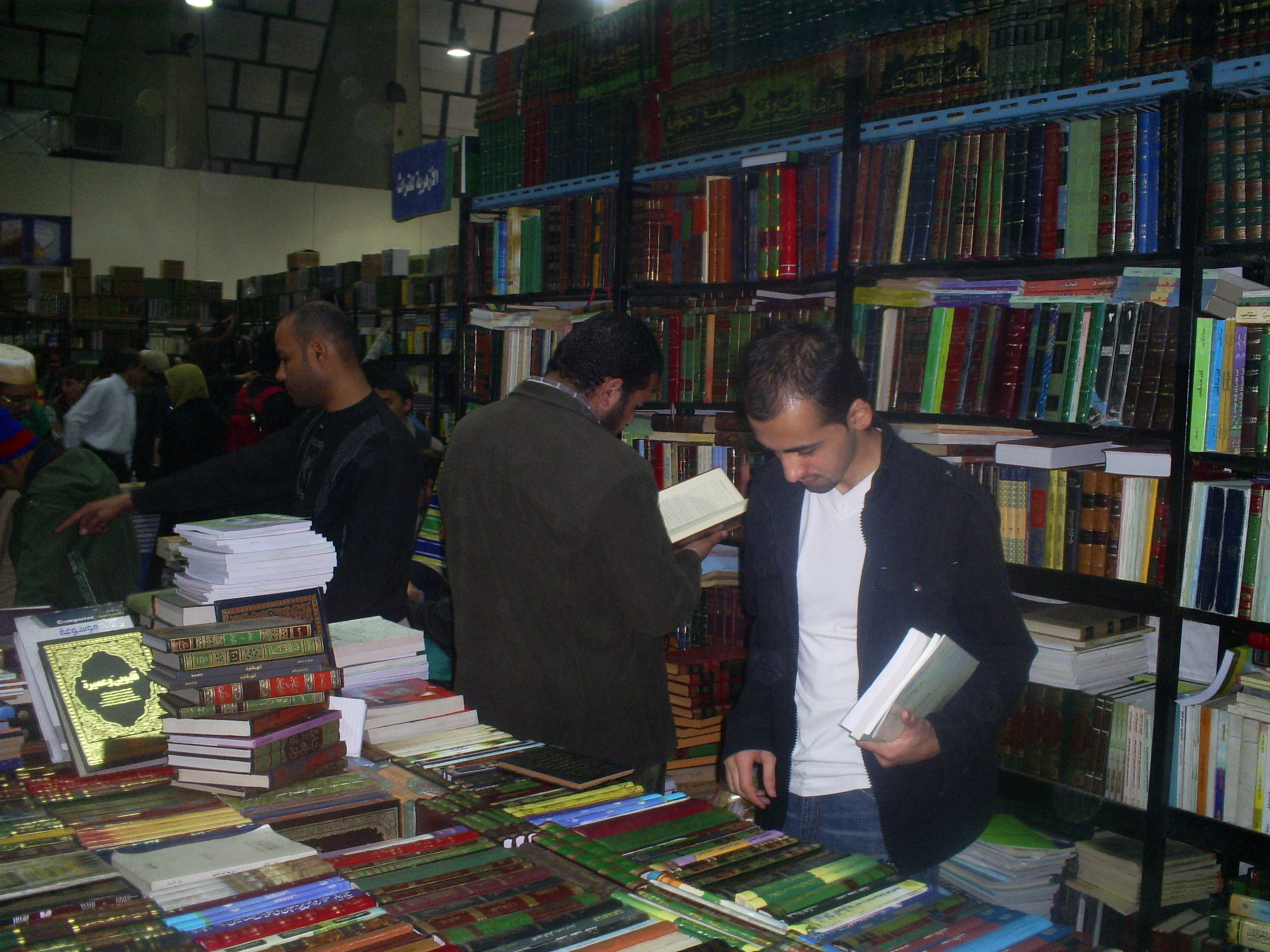
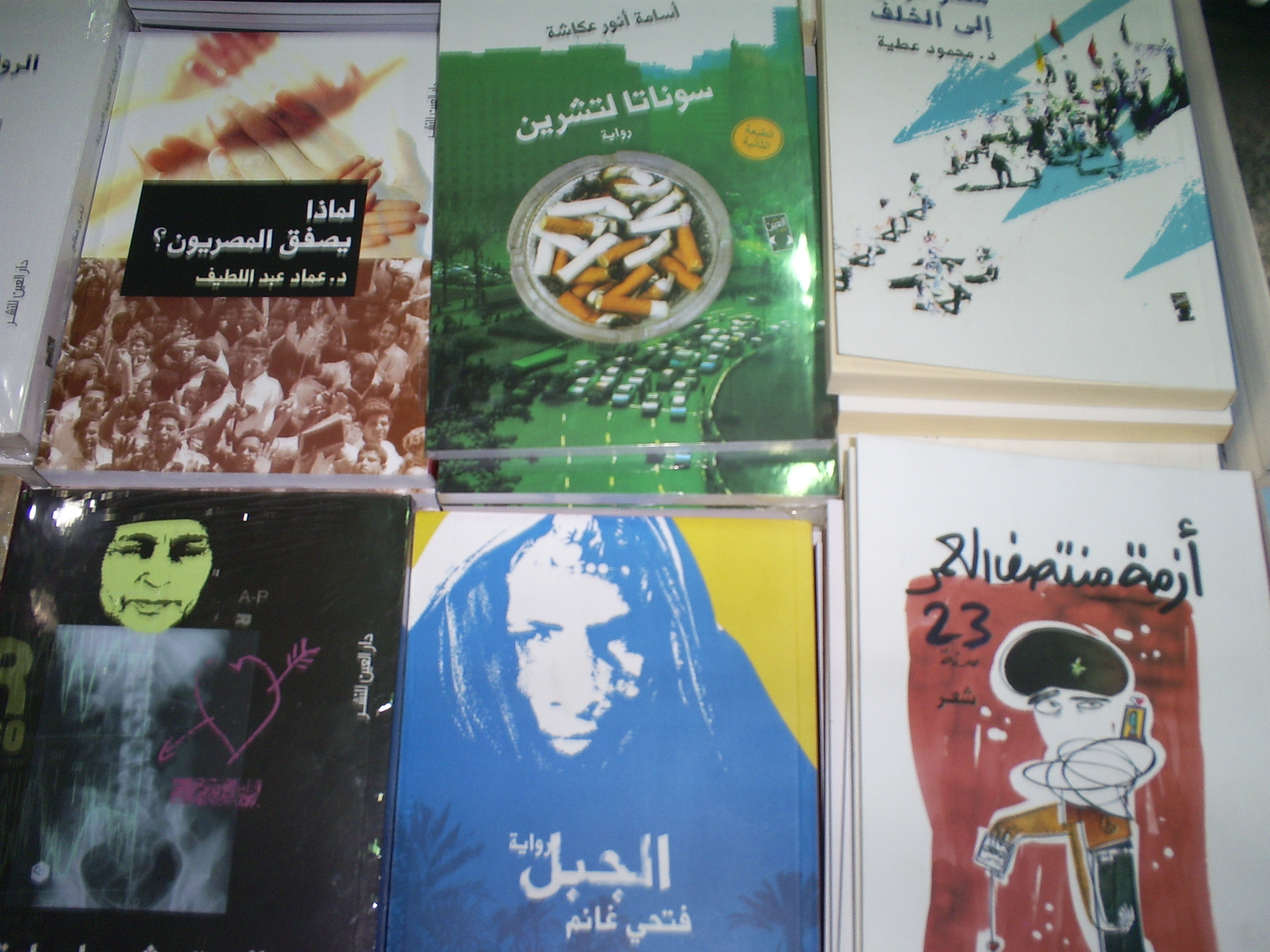
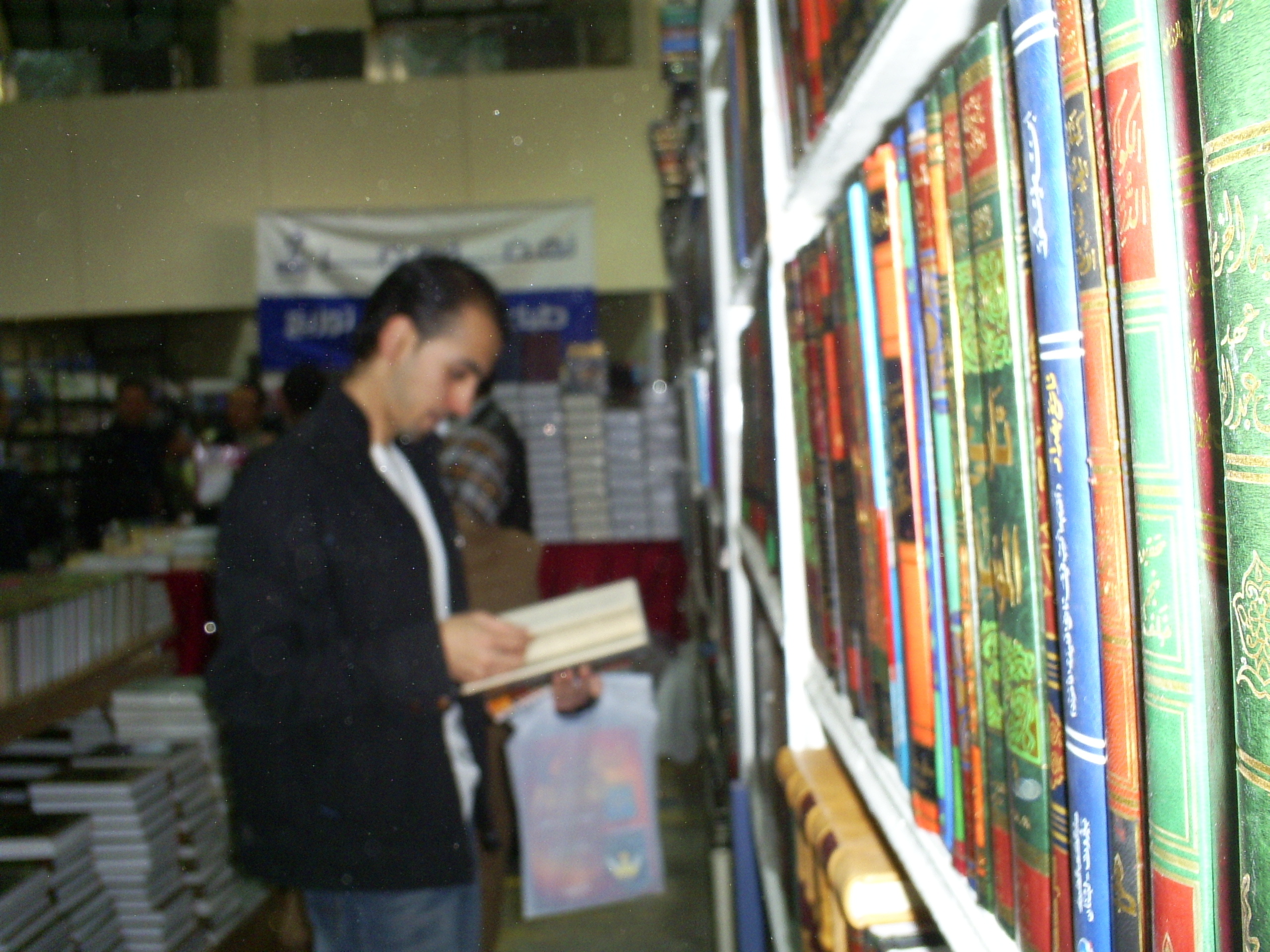

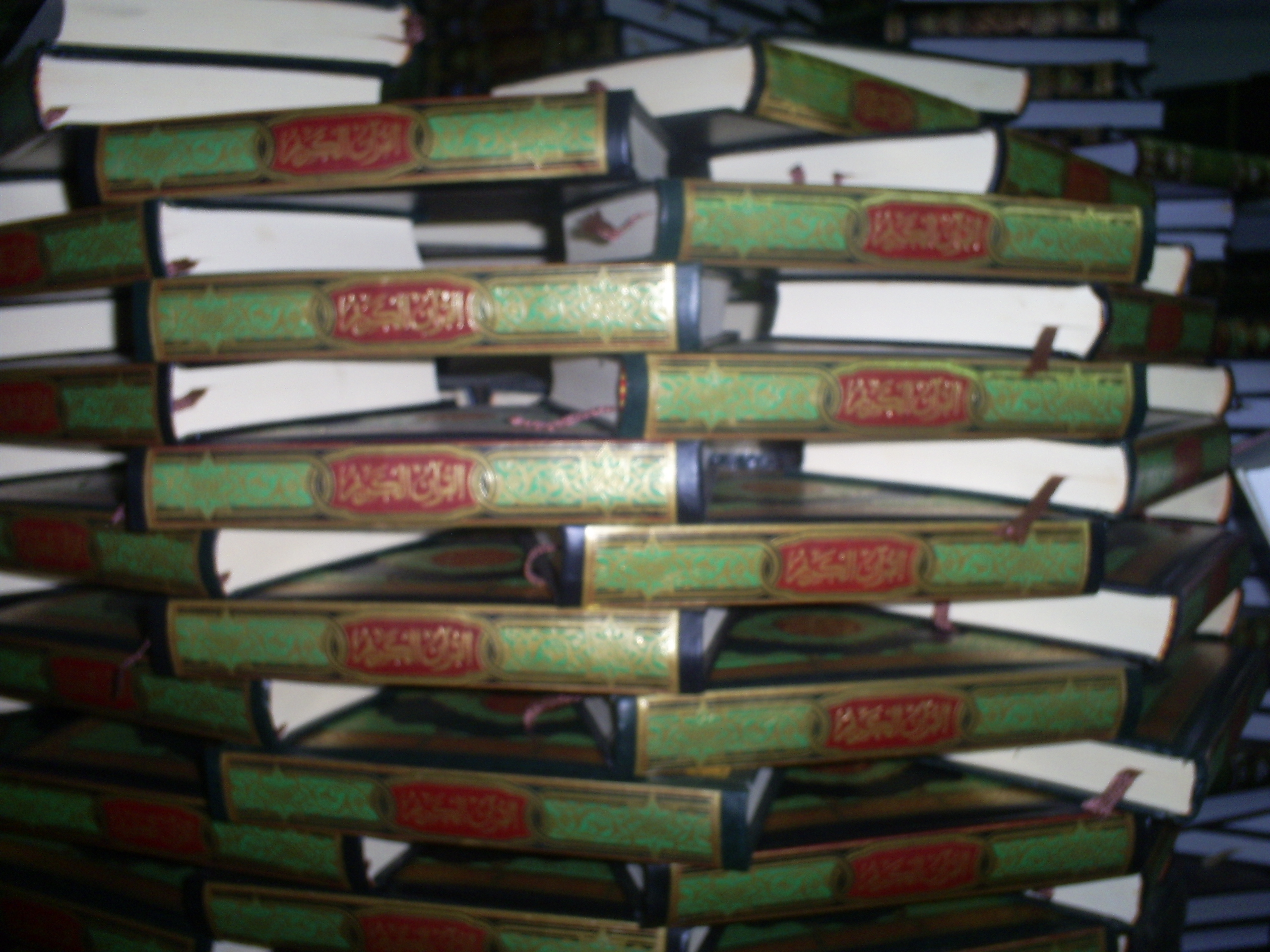
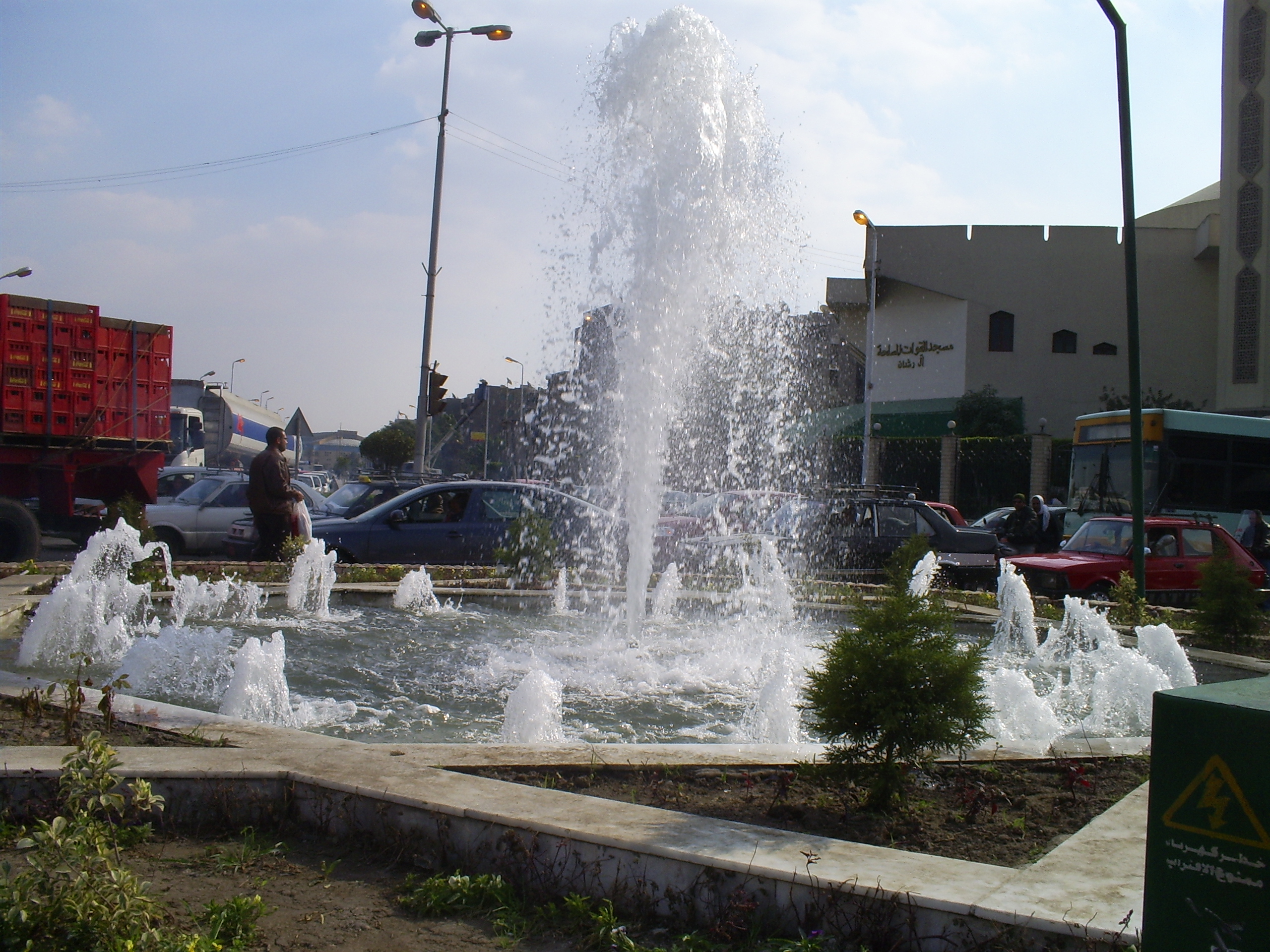

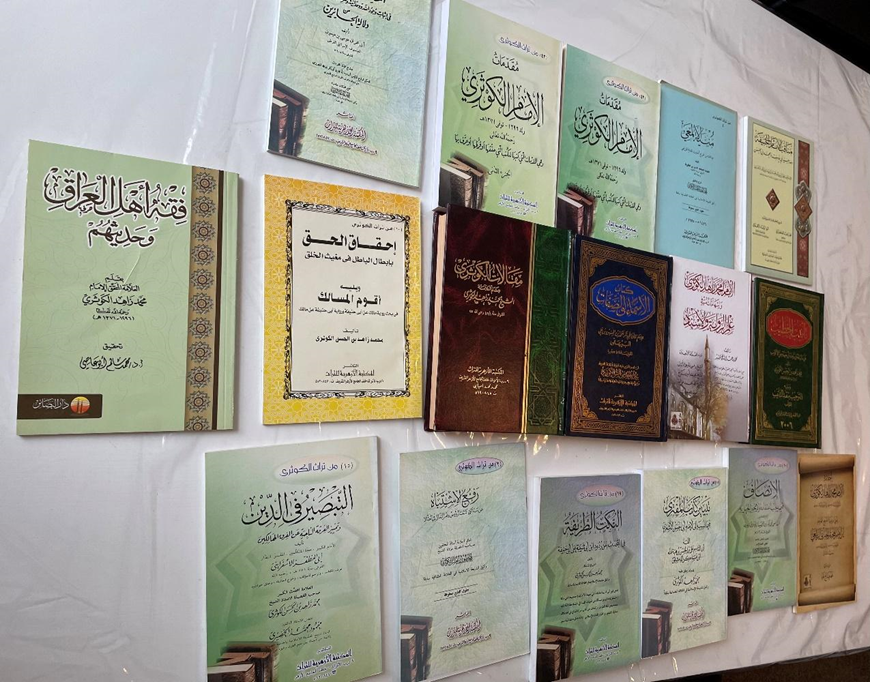
In Cairo I had the great privilege to meet many scholars. Although I didn’t intensely read, I became very excited when learning about books and their authors. I became familiar with the works of Imam Zahid Kawthari. Ecstatically, I went on a book hunt and bought most of the Imam’s works. His works include a refutation on Imam Khatib Baghdadi and Imam Ibn Abi Shayba on the veracity of the Hanafi school and the scholarship of Imam Abu Hanifa. I also bought the works of Shaykh Abdul Fattah Abu Ghuddah, a student of Imam Kawthari.1 His works are not of polemical nature, however when the Salafi Scholar Albani annoyed him, he did lift his mild pen. During my early days at Azhar, I was very anti-Albani and anti-Salafi.2 I had first read about Albani in Shaykh G F Haddad’s work Albani Friends. I then began to dig more and came across two important authors who did a lot of work on critiquing Albani. The first was Shaykh Hassan Saqqaf, a Yemeni scholar born in Jordan. He wrote the famous Tanaqudat al-Bani al-Wadhiat. This is a 3-volume work bringing out the contradictions of Albani in hadith work. Basically, Albani would declare a hadith sahih and then in another place he would declare the same hadith Daef. It took me over 6 months to track this work down. I was so happy when I got my hands on it. The work can now be found on pdf.3 Another scholar who critiqued Albani’s scholarship is he Egyptian Muhaddith, Dr Mahmud Said Mamduh. I first read his Kashfus Sutur ‘Ama Ushkila min Ahkamil Qubur. In this work he deals the issues with graves and the worship of graves. Dr Mamduh clarifies this issue by looking into the early sources. Albani had claimed that the hadith ‘Curse be upon the Jews & Christians for using the graves of Prophets as a place of prostration,’4 includes building a Mosque over a grave. Dr Mamduh challenges this by stating that firstly since the time of the Sahabah and the Tabe’in, scholars from all Mad’habs and Mashrabs had agreed on the permissibility of the Prophet’s grave to be part of the Masjid Nabawi. Secondly, the Prophet ﷺ himself had stated that ‘What is between my grave and my Mimbar is from the gardens of paradise.’5 Dr Mamduh also mentions that Sayyidah Aisha would pray in her room whilst the Holy Prophet ﷺ was buried there. On Friday’s, due to the limited capacity of the Masjid Nabawi the Sahabah would enter in the blessed Hujra and pray there. Dr Mamduh’s other works include Tanbihul Muslim Ila Ta’adi Albani Ala Sahih Muslim. Albani had shockingly categorised some hadith from Sahih Muslim as weak. This book was in response to that. Dr Mamduh’s work Raful Minara li-Takhriji Ahadith atawasul wa Ziyara from among the long list of works against Ibn Taymiyya and modern day scholars of such thought who have classified visiting mosques other than the 3 holy Mosques and places of blessings as Shirk and Bida. Dr Mamduh meticulously works through the Hadith, referencing them and explaining their meanings in the light of other texts that perhaps seem contradictory.
- Muhammad Zahid ibn Hasan al-Kawthari al-Hanafi al-Ash`ari (1296-1371), the adjunct to the last Shaykh al-Islam of the Ottoman Caliphate and a major Hanafi jurist praised by Imam Muhammad Abu Zahra as a Reviver (mujaddid) of the fourteenth Islamic century. For more info on the Imam I would highly encourage you to read the following article by Shaykh G F Haddad: https://www.livingislam.org/o/kawth_e.html ↩︎
- I remember meeting a fellow Glasgow Azhar with his friends. It was the first time I was meeting this group. However, when the topic of Hadith came up and Albani’s scholarship, I went on a 15 minute rant explaining how Albani’s works were unreliable, especially for serious students and scholars of Hadith. ↩︎
- https://archive.org/details/naser_2_20150223/1 ↩︎
- Narrated by Bukhari, Muslim, Ahmad and others from Sayyidah Aisha ↩︎
- Narrated by Ahmad, Ibn Abi Shaybah, Baihaqi and other’s from Abu Said al-Khudri. The Hadith has a different variant in the Sahihayn, instead of my grave, my house is mentioned. ↩︎
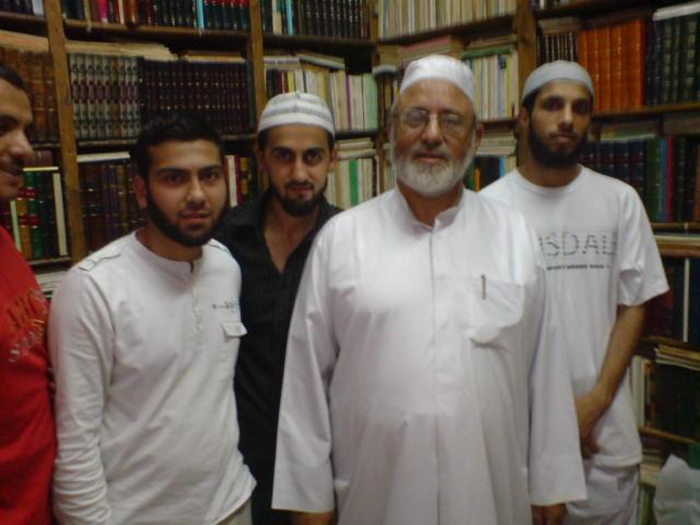
Whilst in Egypt I also met many students from Darul Uloom Muhammadia Ghausia, the famous Islamic seminary in Behra, Pakistan where my father graduated from. The seminary was founded by the great scholar, Shaykh Muhammad Karam Shah Al-Azhari who had graduated from Al-Azhar University in 1954. Every year many students of Bhera would enter into Al-Azhar to study. Many went on to study PhD’s at Al-Azhar university whereas other completed their PhD’s at the Cairo University or at the Arab League University. Many students have now returned to Pakistan. Dr Naemuddin was a very good friend whom I spent time with in Cairo. He later finished his PhD and is now a lecturer at the Bhera seminary. Shaykh Muhammad Karam Shah’s son Dr Abul Hassan Shah was also in Cairo whilst I was there. He was completing his PhD at Cairo University on Comparative Tafsir, looking at the Tafsir work of Imam Razi and Imam Tantawi Jawhari. I also attended his PhD viva; he was awarded first class distinction.
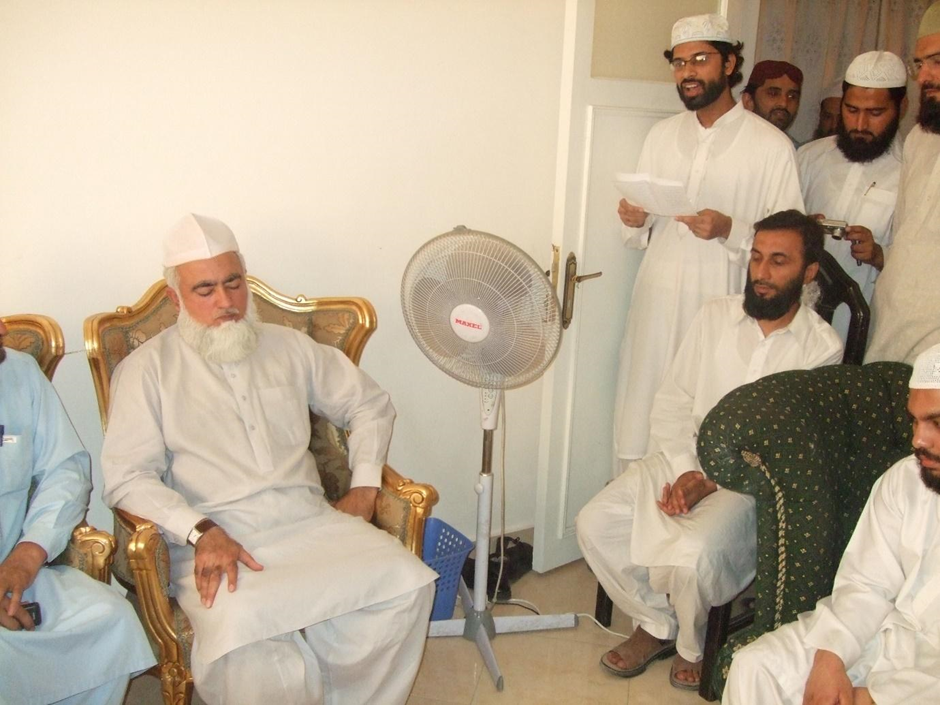


Pictures from Dr Abul Hassan Shah’s Phd Viva held at Cairo University. Also present, Shaykh Ameen-ul-Hasanat Shah and the great Azhari scholar who spent time at Islamabad University, Dr Hassan Shafi
Cairo is a great historical city with many gems. Whilst in Cairo I visited many famous mosques and historical sites. Egypt was ruled by the Umayyad’s (661-750), Abbasid’s (750-935), Fatimid’s (969-1171), Ayyubid’s (1171-1250), Mamluk’s (1250-1517) and the Ottomans (1517-1867). The historical tapestry of Cairo is very rich and whenever families from U.K would visit, I would often be contacted to take them around Cairo showing them the famous places. Perhaps one of the most famous sites of the city is the Citadel, famously known in Amiyya as the Al’a (Qil’ah). The citadel was built by Salahuddin Ayyubi in 1176 to protect the city from crusaders. It also went through major development throughout the Mamluk period and the famous Muhammad Ali Mosque is situated also in the Citadel. The mosque was built in the 1830’s in the memory of his son Tusun Pasha. Interestingly, our Scottish Muslim, Thomas Keith was a close aid of Tusun Pasha. You can read more about him in on my blog here.
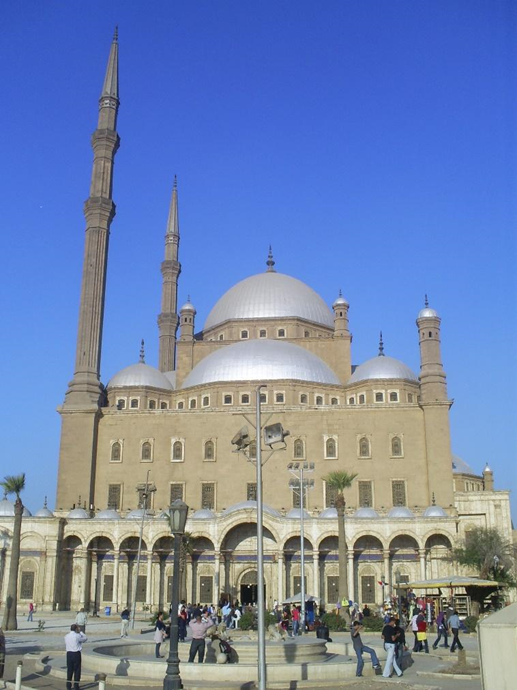

Dad standing next to Salahudin Ayubi’s figure in the Citadel
There are also many old mosques that one can visit in Cairo. The Amr ibn Al-As Mosque which was built in the year 642 by the great Sahabi Hazrat Amr ibn Al-As, who was sent to Hazrat Umar to conquer Egypt. Hazrat Amr defeated the Byzantines and founded the great city of Fustat (now part of old Cairo). The Ibn Tulun Mosque is also a very old Mosque in Cairo, built in 884 (Abbasid period), it is a very large Mosque with a beautiful spiral staircase. I prayed Juma there a few times. The Sultan Hassan Mosque is down the road from Citadel. Built in 1363 in the Mamluk period. The mosque is very popular. I prayed Juma in this mosque behind Mufti Ali Juma, who would give a talk after Juma prayer. Shaykh Habib Ali al-Jifri also delivered his Ayyuhal Mureed series here in 2018. When I returned to Cairo in 2018, I was fortunate to meet Habib. The Mosque has 4 distinct iwans which is said to have each been devoted to the teaching of each one of the 4 Mad’dhabs.
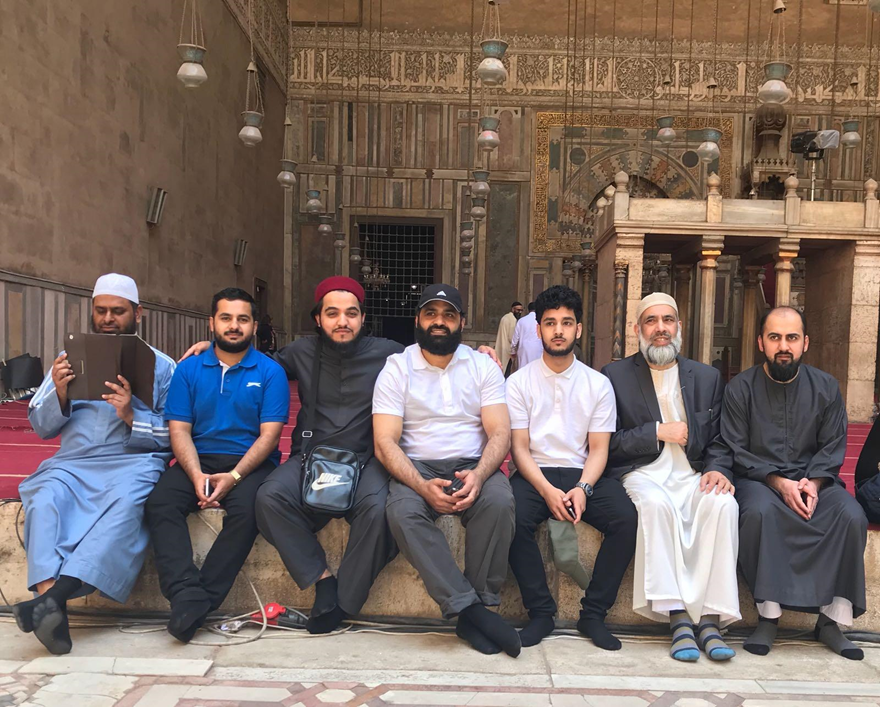
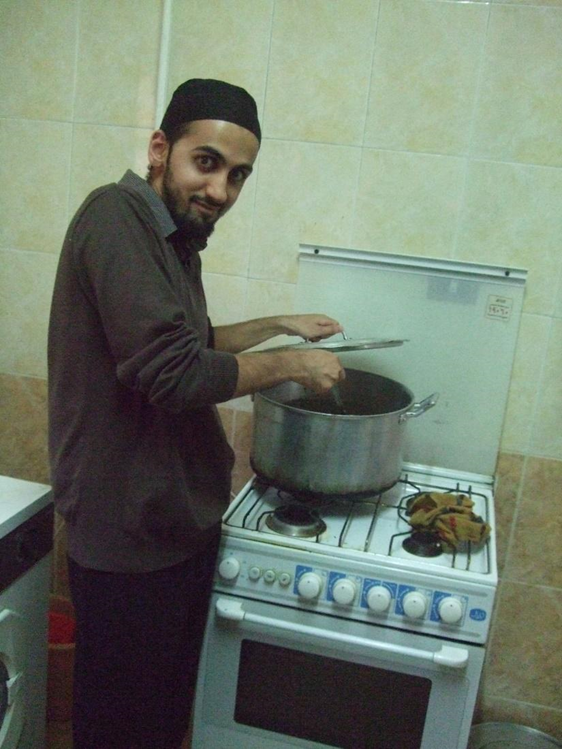
Back to my studying days in Cairo, we had to become self-sufficient and independent. It was a tremendous learning curb for all of us. Part of the experience was cooking. Although not a favourite chore, I cooked once a week for my flatmates. My chicken pilau was quite popular. On Friday’s we would eat out together. Once of my favourite places was Kushari Hussain which was just across the university. We would always eat there after finishing university exams. We would discuss how well we did whilst eating Kushari and drinking Pepsi. I once met Imam Suhaib Webb here. The meal was always followed by a visit to the juice bar to drink a nice cold glass of Asab. Fresh juice was really cheap and you would find Juice vendors on almost every street. Whilst studying I mostly travelled on buses. Buses where cheap and the 7 mile journey on bus to university would cost aroun 25 pence, whereas on taxi would cost around £2. As a student I was on a strict budget, £150 per month, so I would try and save money. I later began to teach English which increased my monthly budget. I spent most of that on books.
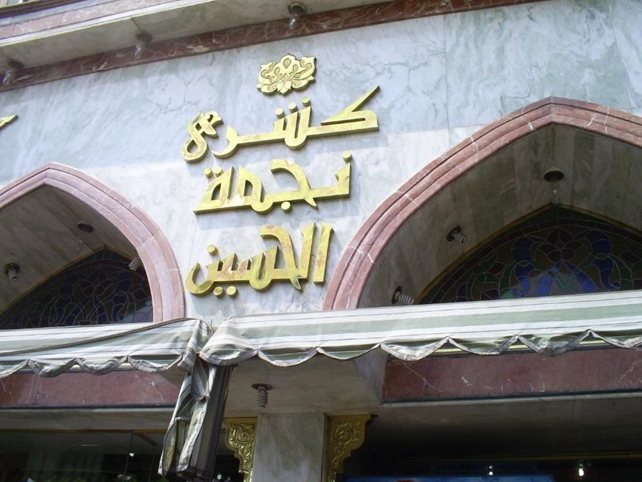


A local Juice bar, ‘Asab was popular costing 5 pence.


The walk to the University was great. I would get to see a lot of stuff on the way.
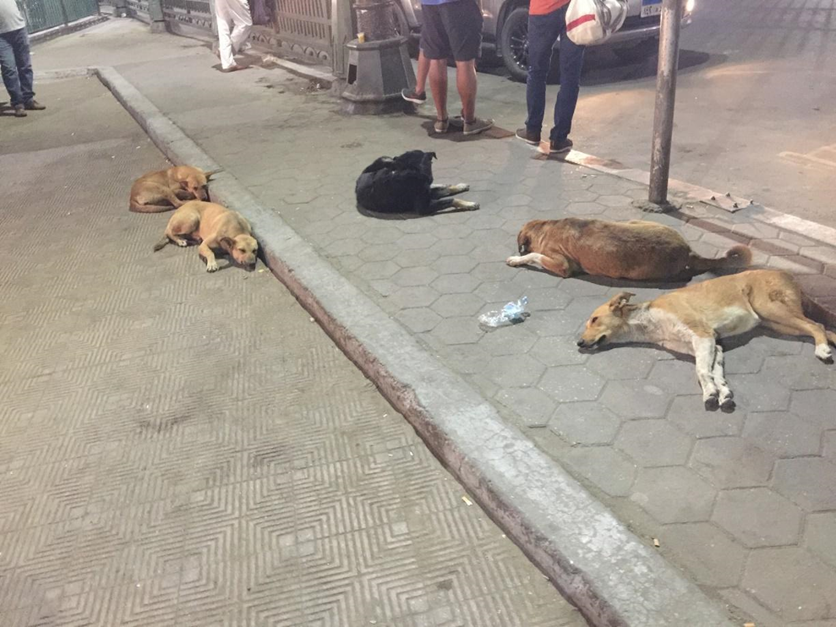

This concludes my article on Cairo. While I’ve endeavoured to capture as much as possible, I regret not being able to include my trips to Alexandria, Aswan, Tanta, Dasuq, visits to the Maqam of Imam Abul Hasan Shadili, and various Ziyaras in Cairo. I hope to pen a separate travelogue dedicated to these adventures someday. Nevertheless, I would like to add two additional sections. Firstly, my experience of the Al-Azhar-Cambridge diploma. I’ll also discuss the Ifta Course I completed in 2018.
University of Cambridge – Al-Azhar University Diploma (December 2009)
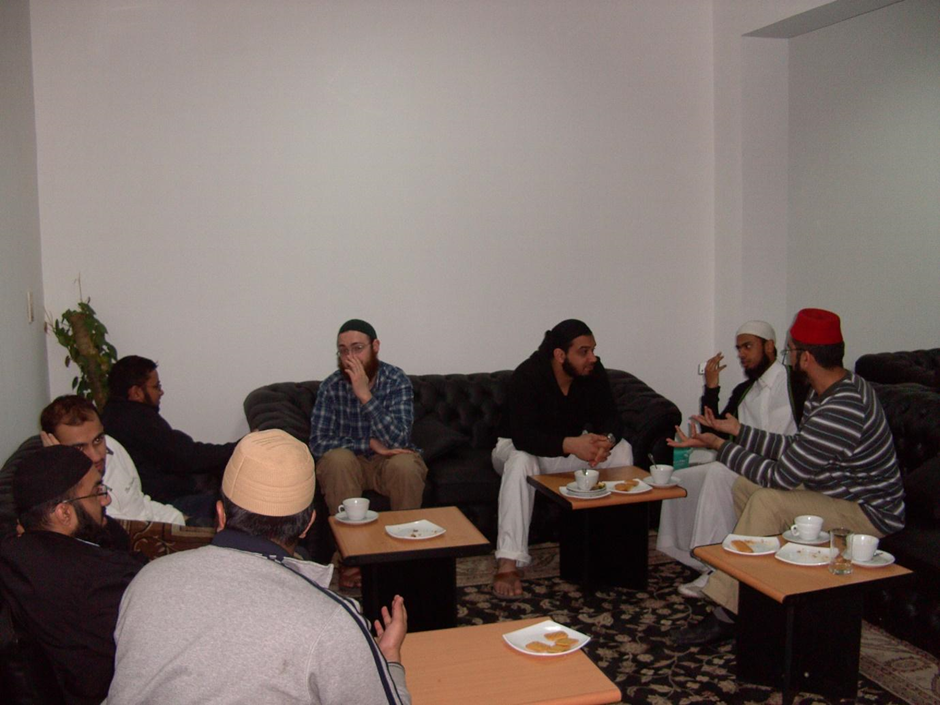
This interesting programme was developed by Professor Yasir Suleiman from Cambridge University.[1] The idea was to handpick graduates from Islamic seminaries in the U.K and give them a experience of Al-Azhar & Cambridge University. I was notified about this programme by Jamia-Al-Karam and quickly applied. I was selected to be part of it. Also accompanying me on the course was Imam Ghulam Mohyideen[2], Maulana Safiullah[3], Dr Ramon Harvey[4], Shaykh Foysal & Hafiz Anhar[5] (both from Dar al-Lutfiya, London), and a few students from Suffa-tul-Islam (Bradford).[6] This course took place in my final year at Azhar. We were 10 students in total from U.K and we were joined by 10 Imams from Afghanistan. The course was brilliant. We were given the best teachers of Al-Azhar who taught us in air-conditioned rooms. I would always tell my classmates that this is a very different experience from my studies at the actual Azhar university campus. My classroom had wooden chairs and one fan. In this new teaching building, we sat on comfortable sofas and we got served tea and biscuit in break and a scrumptious meal at lunch time. I moved out of my flat and moved into the hotel with the rest of the students. I was the only one acquainted with Cairo. So, I led the students to a revolution! Ah it was just something minor, but I guess the top Azhari’s will always remember me for this. I had realised that the programme developers were spending too much money on our hotel accommodation, and I convinced everyone it would be better to live in apartments. The organisers initially refused, which didn’t make sense as it was much cheaper living in apartments. However, I led the revolt and after a few days the organisers finally agreed. I then took the 19 students and we marched up and down the street of Cairo looking for flats. We found two lovely flats which we moved into. As I have mentioned everything was paid for and we had the best Azhari teachers, and it therefore was such a unique experience. As a student of Azhar who had studied there for 3 years I never had experienced such a programme. I did feel a little sympathy for my actual British Azhari classmates who didn’t get into this programme. Once we wrapped up the course in Azhar, students had to go back to U.K where they would spend a month at the University of Cambridge. Due to my exams for my B.A at Azhar I wasn’t able to complete the second part. But a few years later I did catch up with Professor Yasir and we had shared our thoughts on the entire programme.
[1] Professor Suleiman is Chair of the Panel of Judges, British-Kuwaiti Friendship Society Book Prize in Middle Eastern Studies. He is also a lecturer at the University of Cambridge.
[2] Imam Ghulam now serves as the head Imam at Aston Central Mosque
[3] Maulana was based in Nottingham as an Imam, working alongside Dr Musharraf. He is now an Imam at a Mosque in Canada.
[4] Dr Harvey teaches at Cambridge Muslim College and Ibrahim College.
[5] Both are teachers in London. I became very good friends with Shaykh Foysal, who is an Imam and a primary school teacher in London. We regularly keep in touch
[6] This institution is founded by Shaykh Habibur Rehman Mahbubi. A great Sufi scholar and Da’ee. My father taught at the seminary of Shaykh Mahbubi’s father in Pakistan (Dangree). Shaykh Mahbubi’s father was a graduate of Barelleiy.

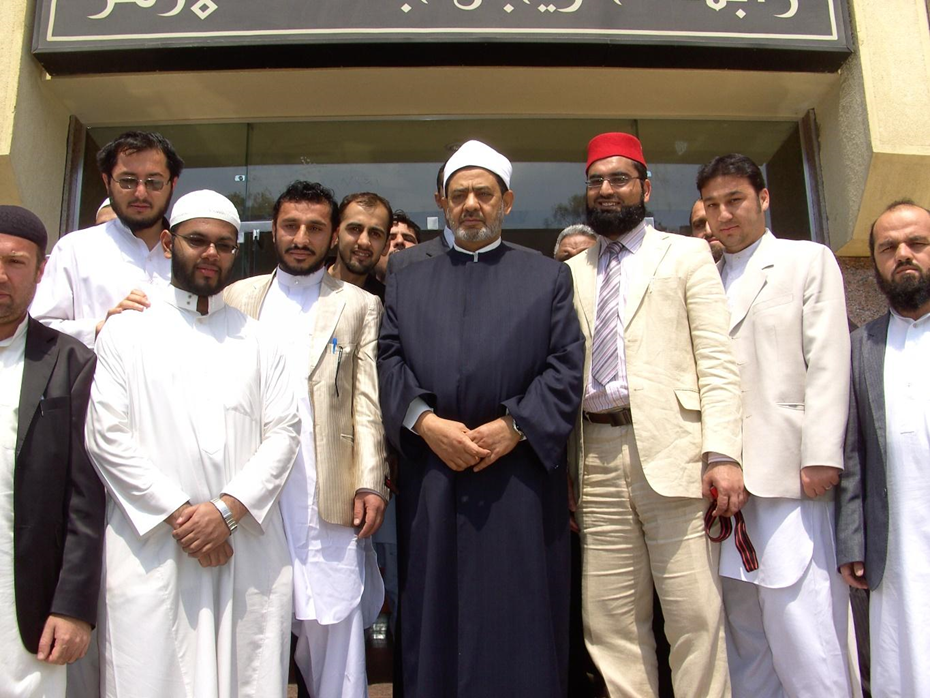
Not very often do students meet the Grand Imam. The Shaykhul Azhar post is perhaps the one of the most prestigious posts in the Muslim World. The centuries old post is respected throughout the Muslim World.[1] The current Shaykhul Azhar is Dr Ahmed Tayeb.[2] A brilliant man who is a part of a tariqah and has led many reforms in Al-Azhar. May Allah preserve him.
[1] For a list of previous Shaykhul Azhars: https://en.wikipedia.org/wiki/List_of_Grand_Imams_of_al-Azhar
[2] Imam Tayeb studied Theology and Philosophy at Al-Azhar University, where he graduated in 1969, after that he did a Master’s degree and Ph.D. in Islamic philosophy in 1971 and 1977 respectively. Later on, he went to study at the University of Paris for six months, from December 1977 to 1978. Afterwards, he held academic posts at Al-Azhar University, then administrative roles in Qena and Aswan, and he even worked at the International Islamic University, Islamabad in Pakistan in 1999–2000. Between 2002 and 2003, Imam Tayeb served as Grand Mufti of Egypt. Imam Tayeb is a Sufi shaykh from Upper Egypt. He has been president of Al-Azhar University from 2003 until 2010 after which he was selected as the Shaykhul Azhar.

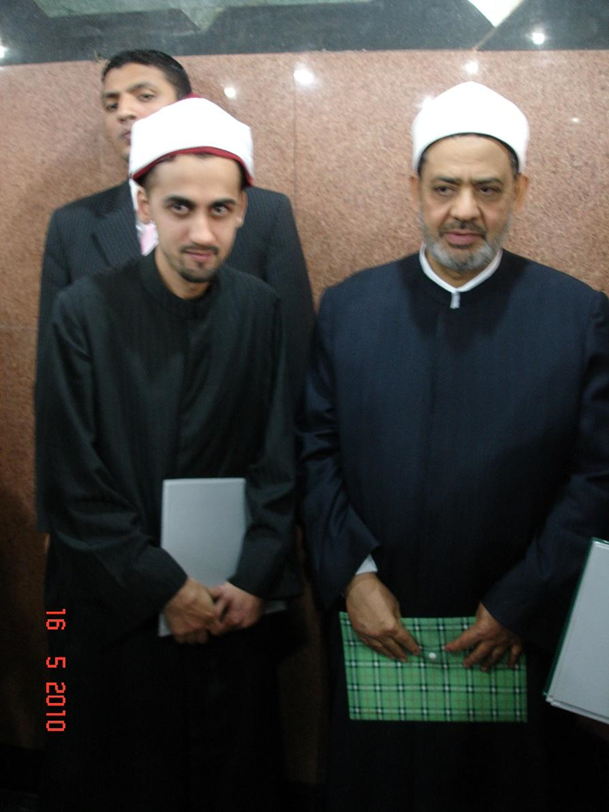
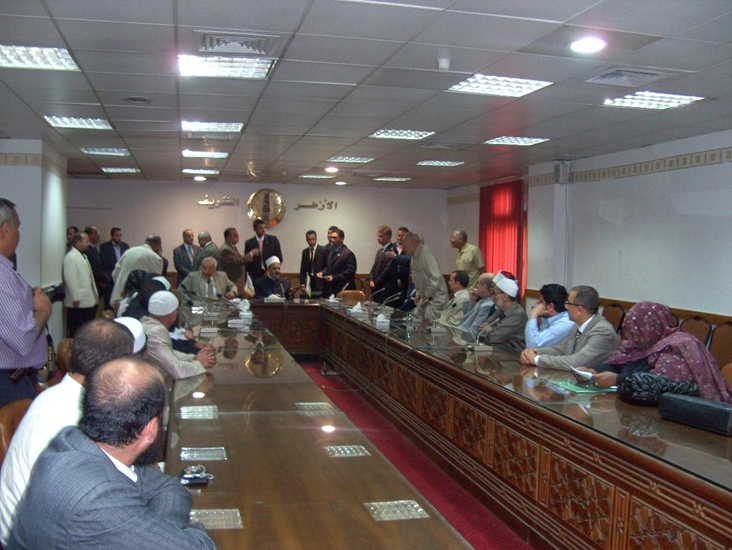
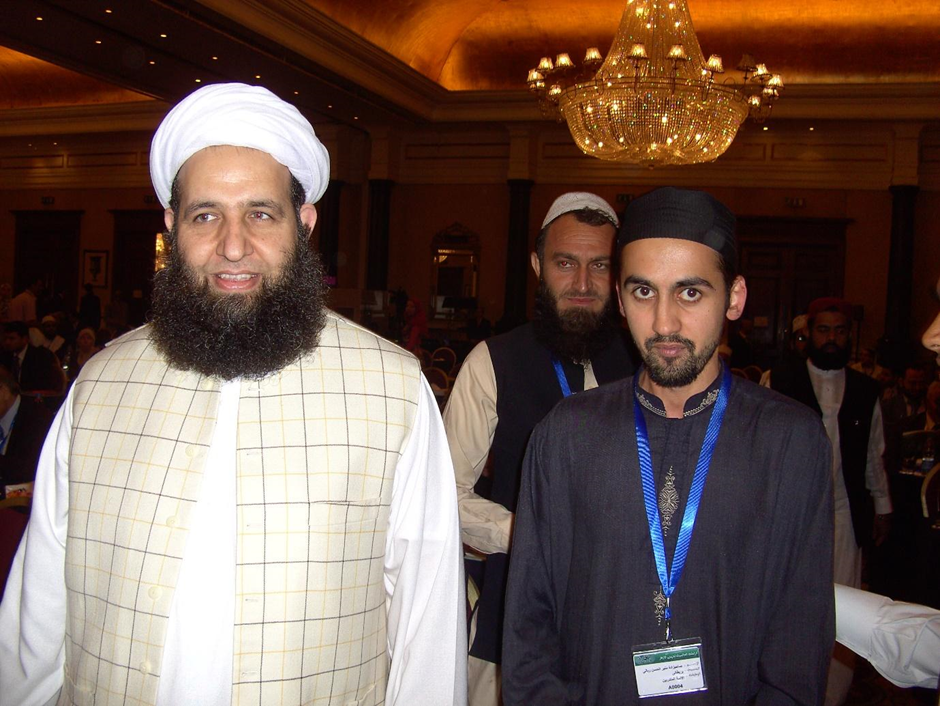
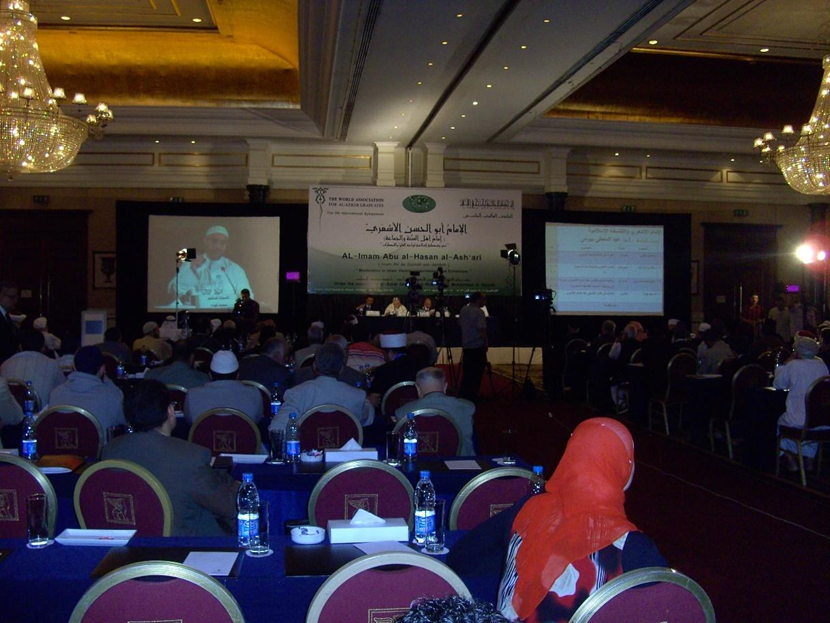
The cherry on the cake for us all was to attend the Imam Abul Hassan Ash’ari[1] Conference (2010) that was organised by Al-Azhar. The conference brought the great scholars of this Ummah under one roof for 4 days. It was a treat for me to meet such high calibre of scholars. Many of them have now passed away. May Allah have mercy on their souls. I’ll be sharing some pictures from the conference.
[1] Imam Abul Hassan Ash’ari, (874-936, Baghdad) was the one of the greatest scholars of this Ummah. The Ash’ari school became the orthodoxy of this Ummah along with the Maturidi school. Imam Ash’ari refuted the Mutazilites as well as other heretical sects. The most notable Ash’ari scholars are Imam Ghazali, Imam Razi, Imam Ibn Hajr and Imam Nawawi. In fact the overwhelming majority of the scholars of this Ummah follow the Maturidi and Ash’ari school.

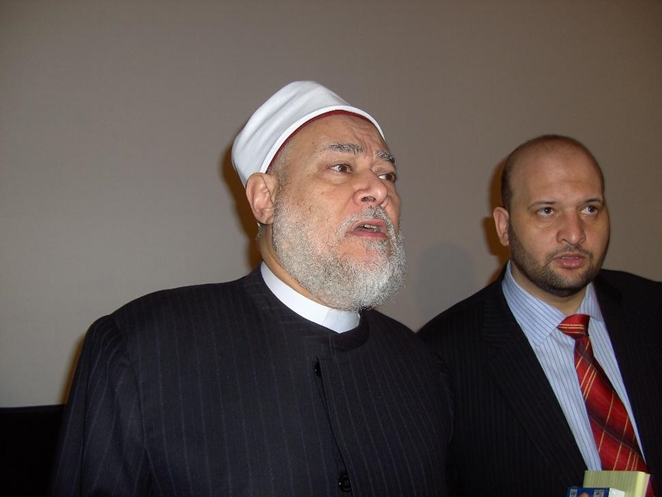
Mufti Ali Gomaa[1], the previous Mufti of Egypt. He really revolutionised Dar-Ifta Al-Misrriya. With Mufti Gomaa is his senior advisor Ibrahim Negm[2], a very learned individual whom I got to know when I returned to Cairo in 2018. He also gifted me his works.
[1] Mufti Ali Gomaa initially studied Business before enrolling to Al-Azhar. He is a huge scholar in Egypt and has very deep understanding of Fiqh. Although he left his position as a Mufti in 2013 his influence is very much still felt at the Dar al-Ifta. The current scholars in Dar al-Ifta are his students (e.g Dr Amr Wirdani etc.). Mufti Gomaa is from a very rich family, and he has sponsored the education of hundreds of students personally.
[2] Dr Ibrahim Negm, senior advisor to Sheikh Ali Gomaa, The Grand Mufti of Egypt. He was awarded a distinguished fellowship to conduct research at Harvard Law School in 1996. He was also a visiting Researcher at the Graduate School of Islamic and Social Sciences. He was also a visiting Scholar and researcher at Oxford University, UK, 2002. He obtained his Ph.D. in Islamic Studies in 2005 from Graduate Theological Foundation, IN. After earning his graduate Degree, he was awarded an adjunct position as an Assistant Professor of Arabic and Islamic Studies at St. John’s University in New York. He served as a full time Imam and Director at the Islamic Center of South Shore in New York. He then served as the first Director of the Islamic Learning Foundation in College Point NY. Sheikh Negm is currently serving as a senior advisor to Sheikh Ali Gomaa, The Grand Mufti of Egypt.
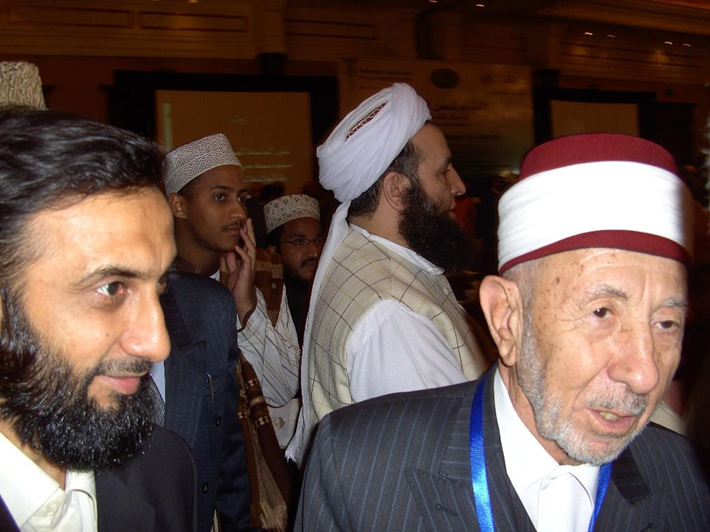
Mulla Ramadan Buti[1] whom I was fortunate to meet. He was one of the real attractions of the conference. When he would step in people would rush to him to meet him, kiss his hands, and take a picture with him.
[1] Shaykh Buti travelled to Al-Azhar University in 1954 to complete his undergraduate in Islamic Law. He later returned to complete his PhD at Al-Azhar in 1965. Shaykh Buti has some excellent work against the Salafi movement. Some scholars regard him as a Mujtahid and Mujaddid.


The great scholar of Syria, Dr Wahba Zuhaili[1] the author numerous books known for their encyclopaedic size and thorough research. Sadly, he passed away a few years ago. He signed a copy of one of his books for me.
[1] He also completed his education at Al-Azhar University in 1956. Whilst studying at Al-Azhar he also studied law at Ain Shams University. He carried on with his law studies and completed an M.A and PhD from the University of Cairo. He later lectured in different countries around the world and was part of many Fiqh councils. We had dinner together and I asked him how he wrote his magnum opus, Fiqhul Islami Wa Adilatuhu? he replied that he was working 16 hours a day, only sleeping for 4 hours. I bought his work and I am still currently working through it.

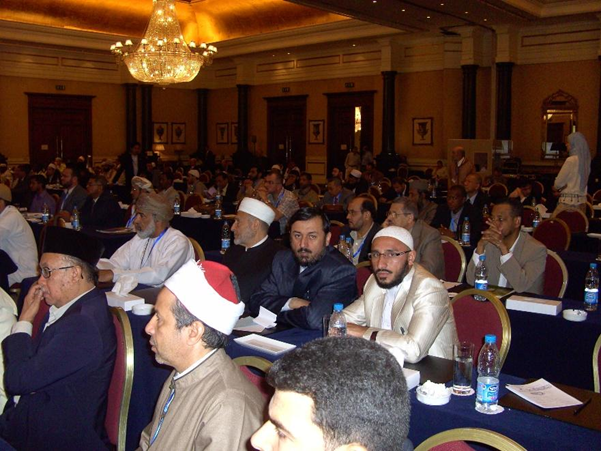
The hall was full of scholars from all over the world. For many, Al-Azhar had paid for their tickets and hotel room.


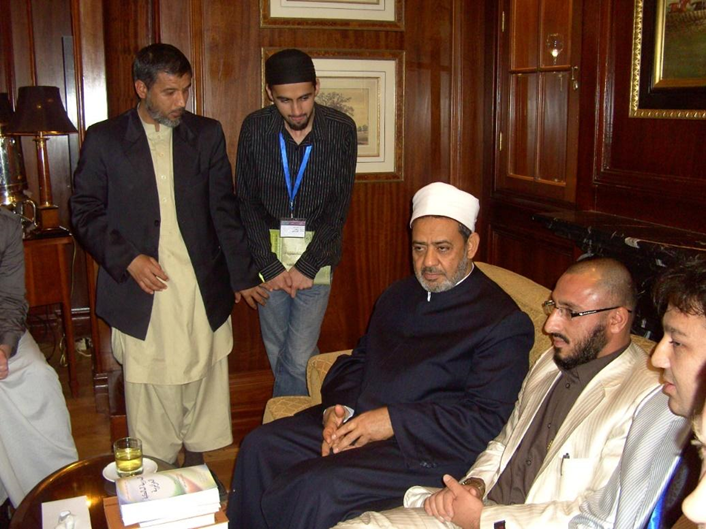
Upon the completion of the course. I moved back in with my former classmates and said farewell to my new friends who headed to Cambridge to complete the final part of the course.
I completed my final exams at Azhar and returned back to the U.K. in June 2010. A few of us decided to ship our books to U.K. They arrived in July. Alhumdullilah, I am ever grateful to everyone who supported me in my studies in Egypt. I did not return back to Cairo for many years until one day I got a call from Dr Musharraf. He rang stating that he had organised an Ifta training (traditional Mufti Course) for us, I immediately said yes. All those beautiful memories of Cairo from 8 years ago where rekindled and I began to pack.
Fatwa Training in Cairo – Dar al-Ifta al-Misriyyah, (April, 2018)
I left Glasgow for Heathrow a little nervous. I was finally going back to Cairo after 8 years. I wanted to return with my family, however this was such an excellent opportunity that I couldn’t turn it down. We were going to study in the great Ifta[1] building which I visited once as a student in 2010. I reached Heathrow safely meeting the rest of the group. We were going to spend the next week together studying, travelling and relaxing. We arrived in Cairo in Sunday 1st April 2018. The intense heat hit me, yeap I was back in Cairo. We were transported to our hotel. We were staying at the 5* Al-Masa Hotel that belonged to the military in Nasr City. I was really taken back by it all. As a student, I had lived a frugal life in Cairo but this time I was going to experience Cairo as a VIP.
[1] Egypt’s Dar al-Ifta (دار الإفتاء المصرية) is an Egyptian Islamic advisory, justiciary and governmental body [ established as a centre for Islam and Islamic legal research in Egypt in 1895. It offers Muslims religious guidance and advice through the issuing of fatwas on every day and contemporary issues. The main position within this office is of the Grand Mufti. Previous Grand Mufti’s include Mufti Ali Gomaa & the current Shaykhul Azhar. It has a big, beautiful building not too far from Al-Azhar University.

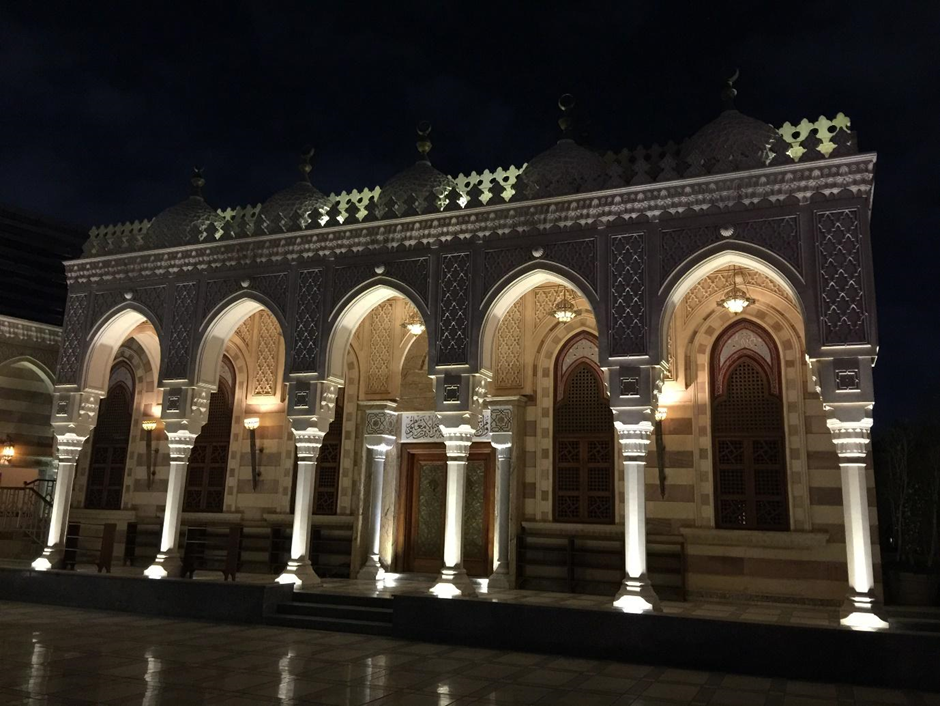
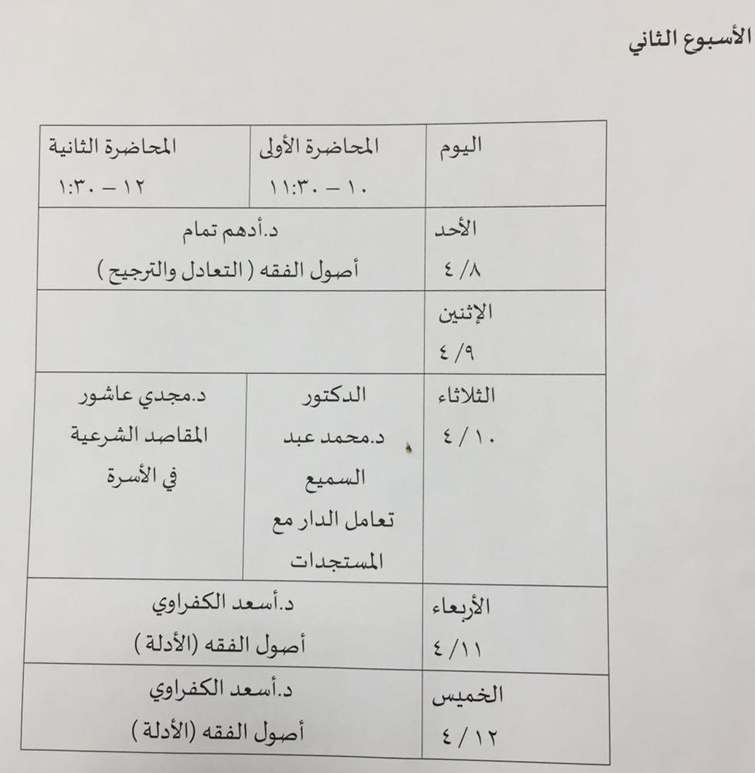
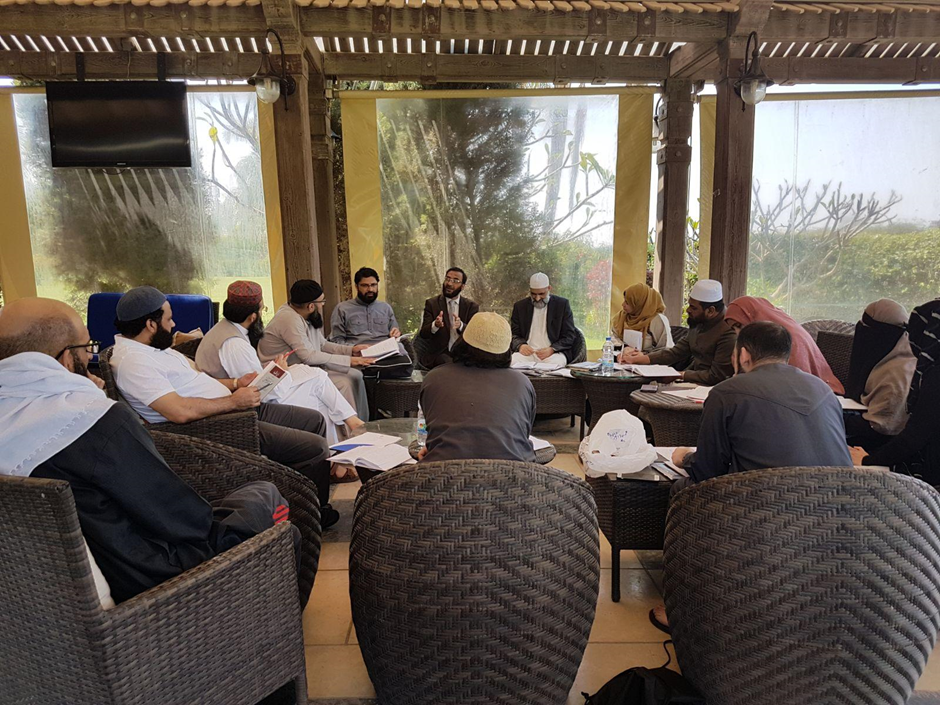
We went through a rigorous Ifta programme and met some of the best Mufti’s in Cairo. They spoke about methodologies, challenges of giving a Fatwa in non-Muslim countries etc. It was profound how the scholars assessed the fatwas. They didn’t limit themselves to one Madh’hab, in fact to facilitate people at times of difficulty they utilised the fiqh positions of the four schools and sometimes the opinions of the 80 great Mujtahids. This is something which our Pakistani Muftis found hard to follow. However, as the course progressed they understood the wisdom behind this.
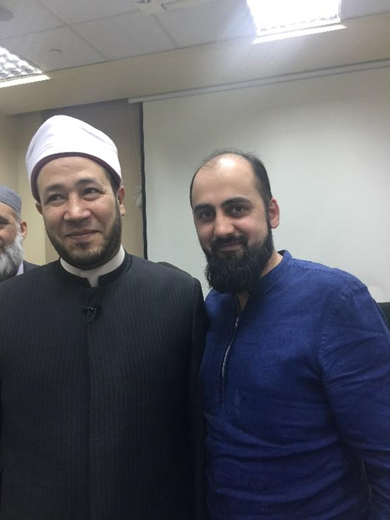
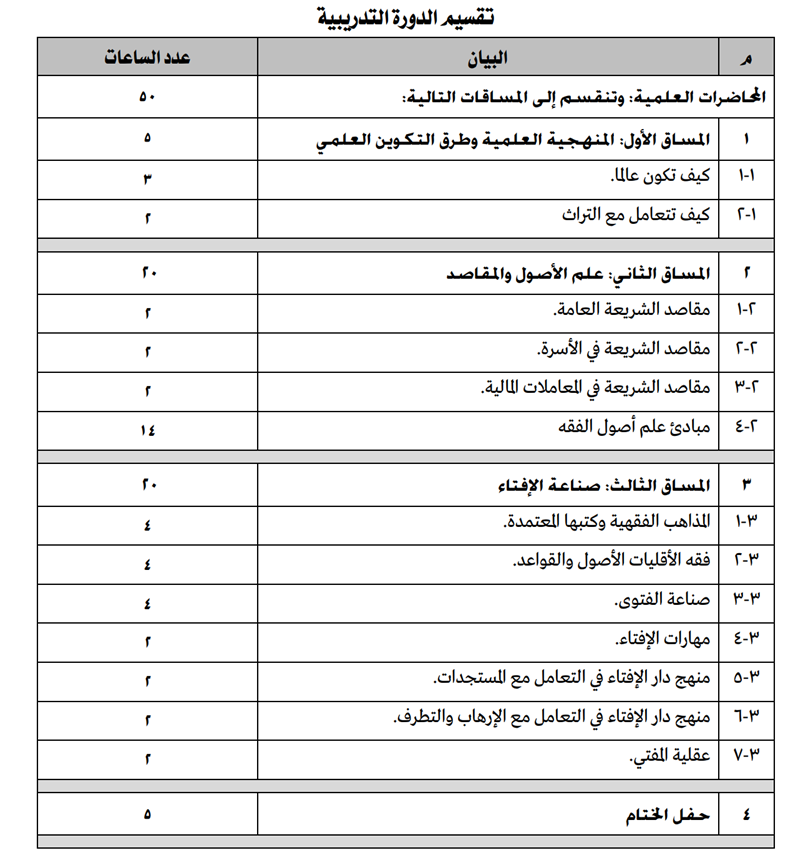
Overview of the Fatwa Programme
Apart from studies I also managed to visit old friends and visit old places. A friend had informed me that Shaykh Habib Ali al-Jifri was recording the 3rd series of Ayyuhal Mureed at the Sultan Hassan Mosque. I was fortunate to attend one of these gatherings. The Shaykh gave a brilliant talk on Sufism followed by a short dhikr session.

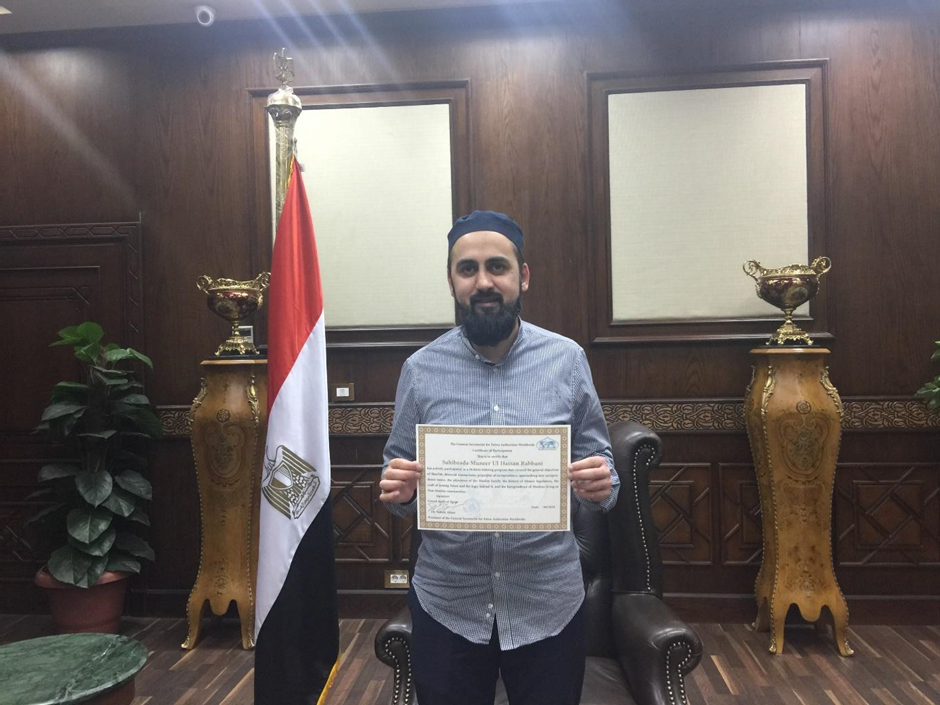

This is an overview of my stay in Cairo, where I sought to capture the essence of my experience amidst its rich history. Cairo is a city steeped in layers of heritage, each visit revealing new insights into its past. I could only scratch the surface of its depth in this account, yet the memories are vivid.
May Allah bestow blessings upon Cairo and its resilient people, safeguarding them in His mercy. Let His protection envelop Al-Azhar, the esteemed Grand Imam, and all my revered teachers. Grant us, O Allah, the strength to walk the path paved by the countless Azhari scholars who dedicated themselves to the service of Islam
 Ruz-e-Alast
Pingback: Book Your Own Umra! | Ruz-e-Alast